2022 / Arts et Metiers Institute of Technology
Retractable Exoskeleton Wheel
Foldable wheel mechanism for a multi-mode mobility exoskeleton
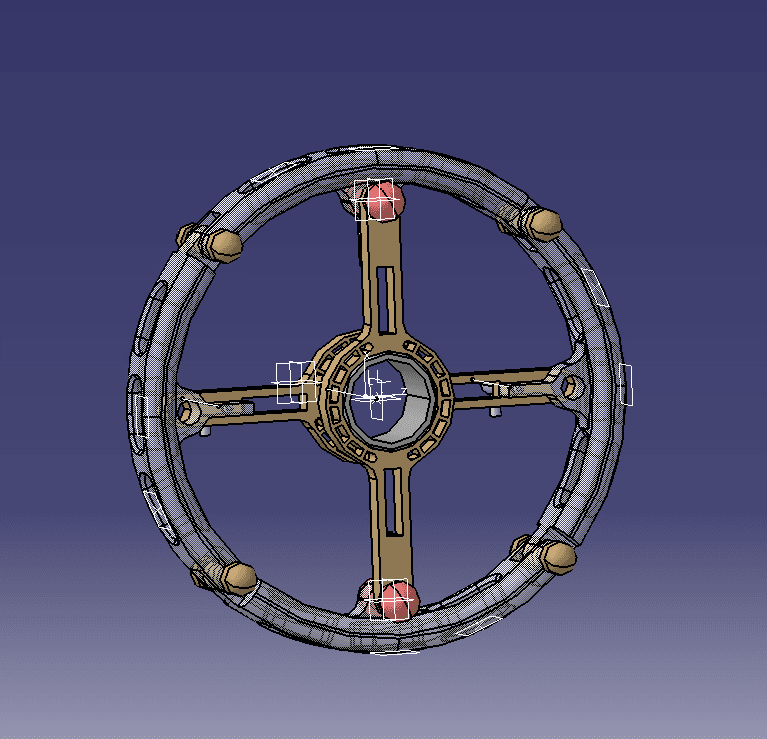
Overview
Design-office project for a retractable wheel mounted on a mobility exoskeleton with wheelchair, gyropod, and walking-assist modes.
Problem / Context
The wheel had to support the user plus exoskeleton in rolling modes, then retract enough to reduce packaging and avoid ground contact during obstacle crossing in exoskeleton mode.
Role
Team project (bureau d'etude) - Arts et Metiers Institute of Technology
Institution
Arts et Metiers Institute of Technology
Team
Loris Emanuelli and Arts et Metiers BE team
Tags
Mechanisms / CAD / FEA / Industrialization
Process
- - Studied industrial, military, medical, and mobility exoskeleton references
- - Reviewed retractable-wheel concepts and patent constraints
- - Defined the need and functional architecture for the wheel subsystem
- - Built CAD for a four-segment wheel linked by pivots and central rods
- - Checked rods, rivets, and wheel arms under two representative load positions
- - Compared manufacturing scenarios for 3D printing and sand casting
Key design decisions
- - Used four circular segments so the wheel can form a rolling circle or retract into a compact package
- - Maintained position through pivoted rods, rivets, and an electromagnet locking concept
- - Focused FEA on geometrically complex parts where hand calculations were not reliable enough
- - Selected aluminum sand casting for the production concept based on the cost comparison
Engineering details
- - Target load case: about half of a 70 kg user-plus-exoskeleton system per wheel pair
- - Two wheel positions analyzed, separated by a 45-degree rotation
- - Buckling check gave Fcrit = 2193 N versus a 700 N design load
- - ANSYS Workbench APDL used for finite element checks of selected components
- - Estimated production cost: 289.99 EUR per wheel before transport and storage
Outcomes
- - Defined a functional retractable wheel CAD architecture
- - Validated key rods and links against simplified load cases
- - Built an industrialization argument around manufacturability, cost, and IP position
Gallery
Retractable wheel CAD in deployed circular configuration
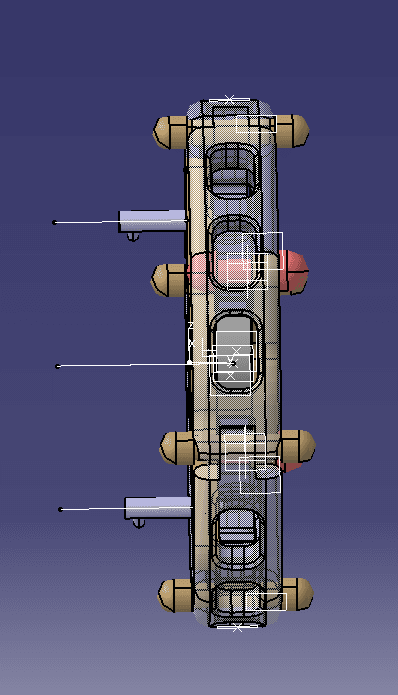
Retracted wheel CAD configuration
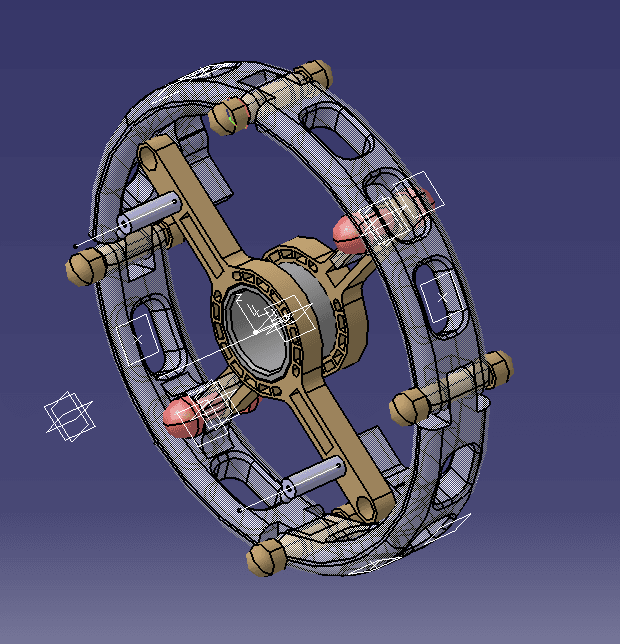
Wheel mechanism detail view
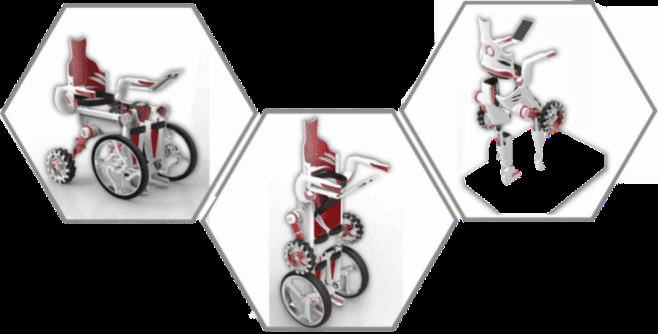
Three exoskeleton operating modes
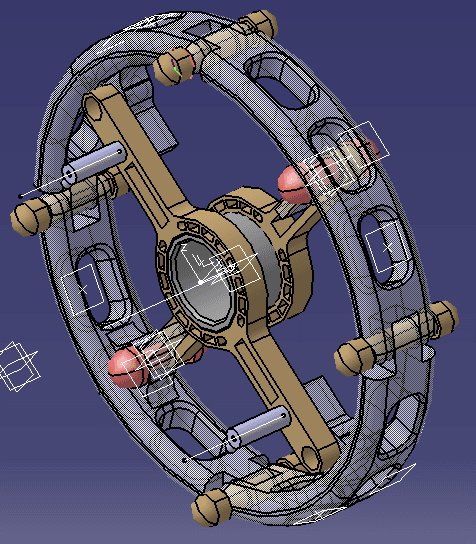
Isometric CAD view of the wheel assembly
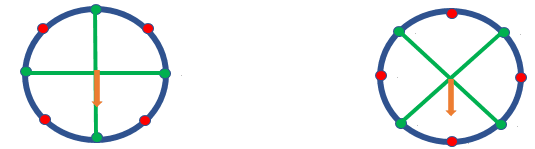
Two load positions used for dimensioning
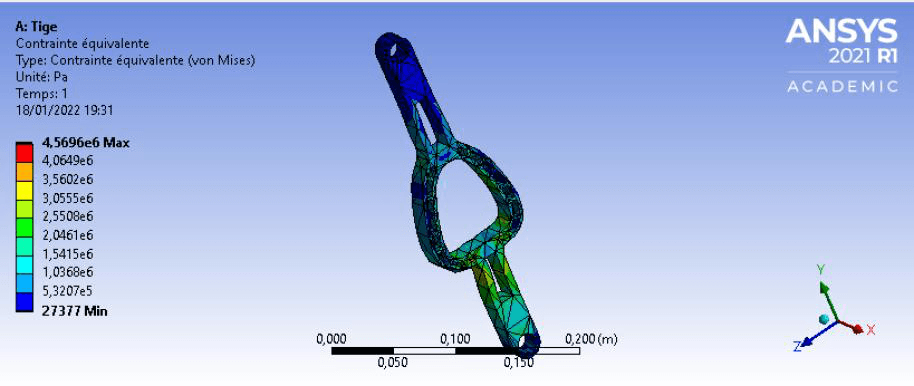
ANSYS stress result for the central rod
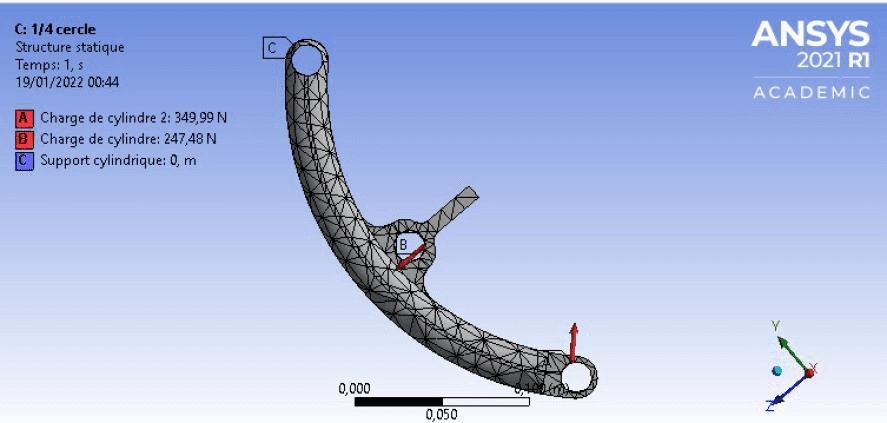
ANSYS validation of a quarter-wheel segment
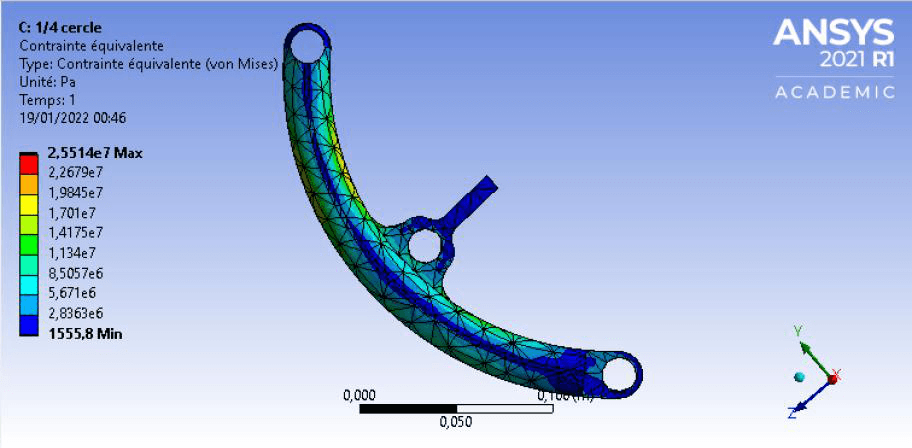
ANSYS validation of a wheel arm
What I would do next
- - Prototype the locking mechanism and validate deployment repeatability
- - Run dynamic tests for impacts and obstacle transitions
- - Refine sealing, bearings, and fail-safe behavior for outdoor use